Bologna Food Tour
Visitor Guide

Bologna Food Tour From a Local Perspective

The Quadrilatero is not a market hall but a knot of medieval trade lanes behind Piazza Maggiore, still organised by the guilds that named them. This bologna food tour from a local perspective guide explains what those lanes hold, when they are worth walking, and how residents move through them. Expect orientation rather than a shopping list.

10 min read Updated 2026-08-08 Fact-checked
Bologna Food Tour From a Local Perspective

Quick answer

Walking the Quadrilatero costs nothing: entry to the market district's public streets is 0 EUR, and the lanes are open 08:00–19:00 Monday to Saturday, with a shorter 09:00–14:00 window on Sunday. The one caveat that matters is rhythm rather than access — individual shops keep their own hours, and many close for a long afternoon pause regardless of when the streets are busy.

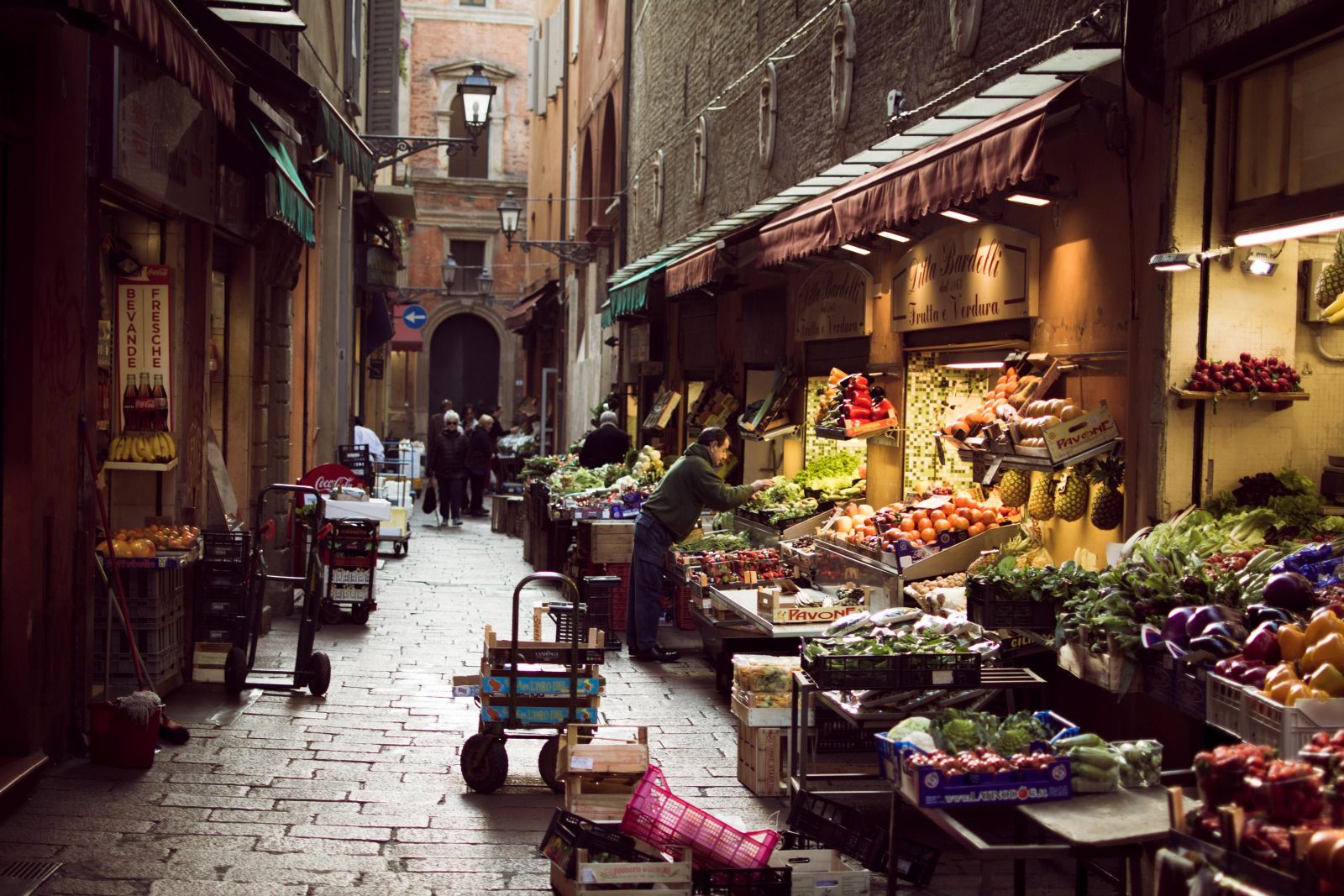
Via Pescherie Vecchie translates as "old fisheries street," and the name is not decorative. Bologna's trades were assigned lanes in the thirteenth century, and the fishmongers, butchers, greengrocers and cheese merchants stayed put. Address a letter to Quadrilatero, Via Pescherie Vecchie, 40125 Bologna BO, Italy and you are writing to a working commercial district that has changed occupation less than almost any comparable quarter in Europe. That continuity is the reason a bologna food tour from a local perspective looks different from a generic tasting circuit. What a visitor is dealing with here is a district that reads as chaos and functions as order. There is no ticket desk, no entrance, no route. The lanes run roughly between Piazza Maggiore and Via Rizzoli, and they are dense — salumerie with mortadella wheels the width of a table, pasta laboratories rolling sfoglia behind glass, banchi stacked with borlotti beans and Sardinian bottarga. Regulars know which counter cuts prosciutto to order and which one is theatre for the camera. That knowledge is the whole substance of a Bologna market tour led by someone who lives here, and it is why the same street produces two entirely different experiences depending on who is walking it. Context explains the rest. Bologna is a university city of roughly ninety thousand students, and its food economy answers to residents first: tortellini in brodo, tagliatelle al ragù, crescentine, the aperitivo hour that fills Via Pescherie Vecchie after seven. Emilia-Romagna's protected products — Parmigiano Reggiano, Aceto Balsamico Tradizionale, Prosciutto di Parma — are sold here as groceries, not souvenirs. A guided Quadrilatero food walk mostly buys access to that distinction, plus the dialect-level detail about which producer supplies which shop. The practical use of all this is simple. Treat the district as free to enter and open to wander, then decide separately whether a guided walk earns its place in the day. Independent visitors do well arriving early, when deliveries land and shutters go up. Those booking a bologna food tour from a local perspective should check what the operator actually includes, because tastings, sit-down courses and market walks are sold under similar names. The Bologna food scene rewards specificity — this page's dedicated sections cover hours, costs, arrival timing, directions and the individual stops in detail.

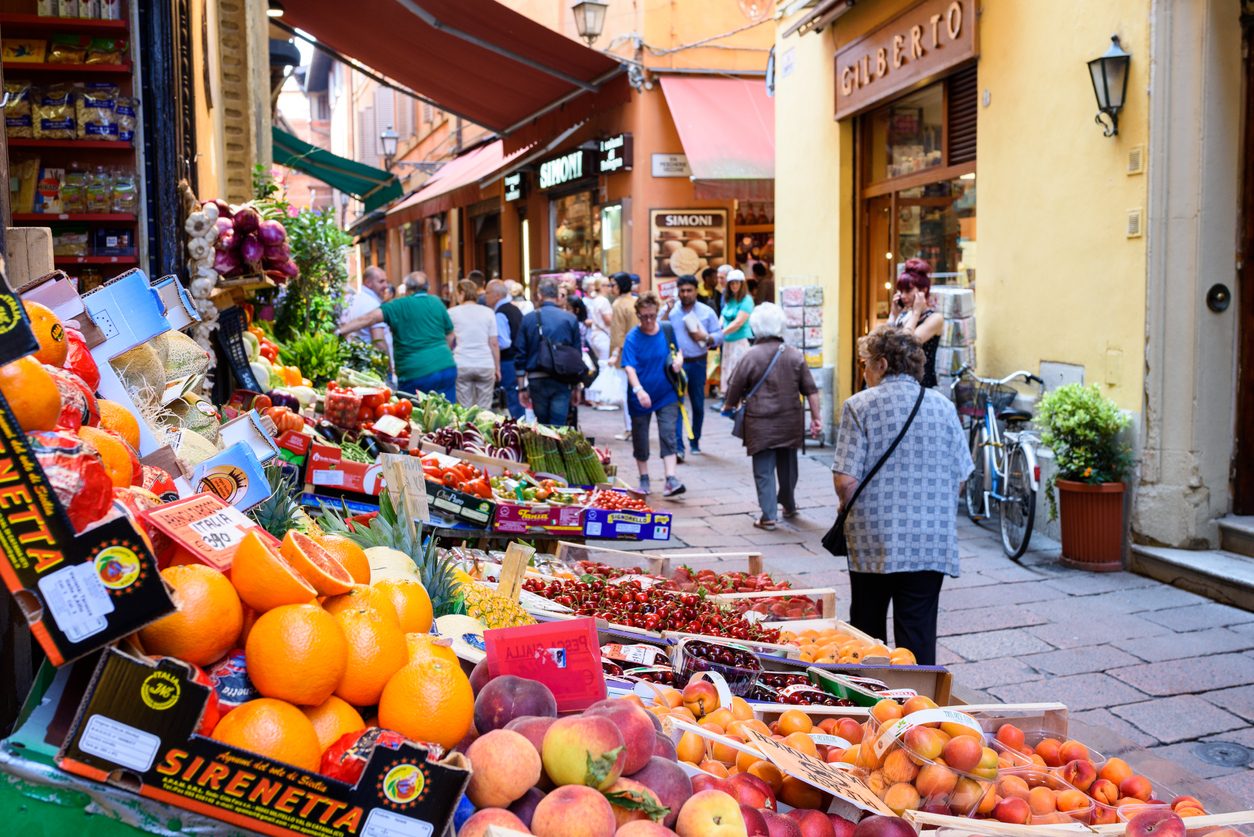
“The lanes read as chaos and function as order — there is no ticket desk, no entrance, and no route.”
Timing

Optimal Timing for a Bologna Food Tour From a Local Perspective

The best arrival window for a food tour is 09:00–11:00 to observe the daily restocking of artisanal shops in the Quadrilatero while avoiding the mid-day tourist congestion. Visiting during these hours allows you to witness the authentic rhythm of local trade before the market streets become crowded.

Spring (April–May)

Moderate crowds

Mild, 15°C to 22°C. Pleasant for walking through the historic market district during the height of the produce season.

Autumn (October–November)

Moderate crowds

Cool, 10°C to 18°C. This period coincides with the start of the harvest season and traditional food festivals.

Weekday mornings

Low crowds

Arriving between 09:00 and 11:00 provides the clearest view of fresh goods arriving and shops preparing for the day.

Verdict: The optimal time for a food tour is Tuesday to Thursday, arriving between 09:00 and 11:00, during the months of April or October.

Opening hours

Operating Hours for a Bologna Food Tour From a Local Perspective

The Quadrilatero market district is open daily to facilitate your self-guided exploration of Bologna's culinary traditions.

Monday
08:00–19:00
Tuesday
08:00–19:00
Wednesday
08:00–19:00
Thursday
08:00–19:00
Friday
08:00–19:00
Saturday
08:00–19:00
Sunday
09:00–14:00
Public access to the district streets remains available throughout the stated operating hours.
Prices

Entrance and Costs for a Bologna Food Tour From a Local Perspective

The Quadrilatero market district is a public area located in the historic center of Bologna. Access to these streets does not require an entrance fee.

Public street access No ticket required
0 EUR
Quadrilatero market zone Open to the public
0 EUR
Entry to the public streets of the Quadrilatero is free for all visitors at all times.

Verdict: Access to the district is 0 EUR, as it is a public thoroughfare rather than a ticketed venue.

Directions

Getting to the Quadrilatero for a Bologna Food Tour From a Local Perspective

The Quadrilatero district is located in the heart of Bologna's historic center, adjacent to Piazza Maggiore. The area is largely pedestrianized, making it most accessible by foot or public transit from the main city transit hubs.

On foot 5 min

From Piazza Maggiore, walk east toward Via dell'Archiginnasio and turn onto Via Pescherie Vecchie

Bus 10-15 min 1.50 EUR

Lines 11, 20, or 27 to the Rizzoli stop

Train 20 min

From Bologna Centrale station to the city center

The district is best accessed by arriving at Via Pescherie Vecchie, 40125 Bologna BO, Italy. Plan to arrive between 09:00–11:00 to avoid mid-day crowds and observe artisanal shops restocking fresh produce.

What to see

Key Stops During a Bologna Food Tour From a Local Perspective

The Quadrilatero district serves as the historic heart of Bolognese food culture, housing centuries-old artisanal shops and traditional market stalls. Exploring these narrow streets provides a direct look at the city's culinary heritage.

Via Pescherie Vecchie

Via Pescherie Vecchie

This historic street is the center of the district, known for traditional fishmongers and produce stalls. It remains one of the oldest commercial areas in the city.

Look up to see original medieval architecture above the modern shops.

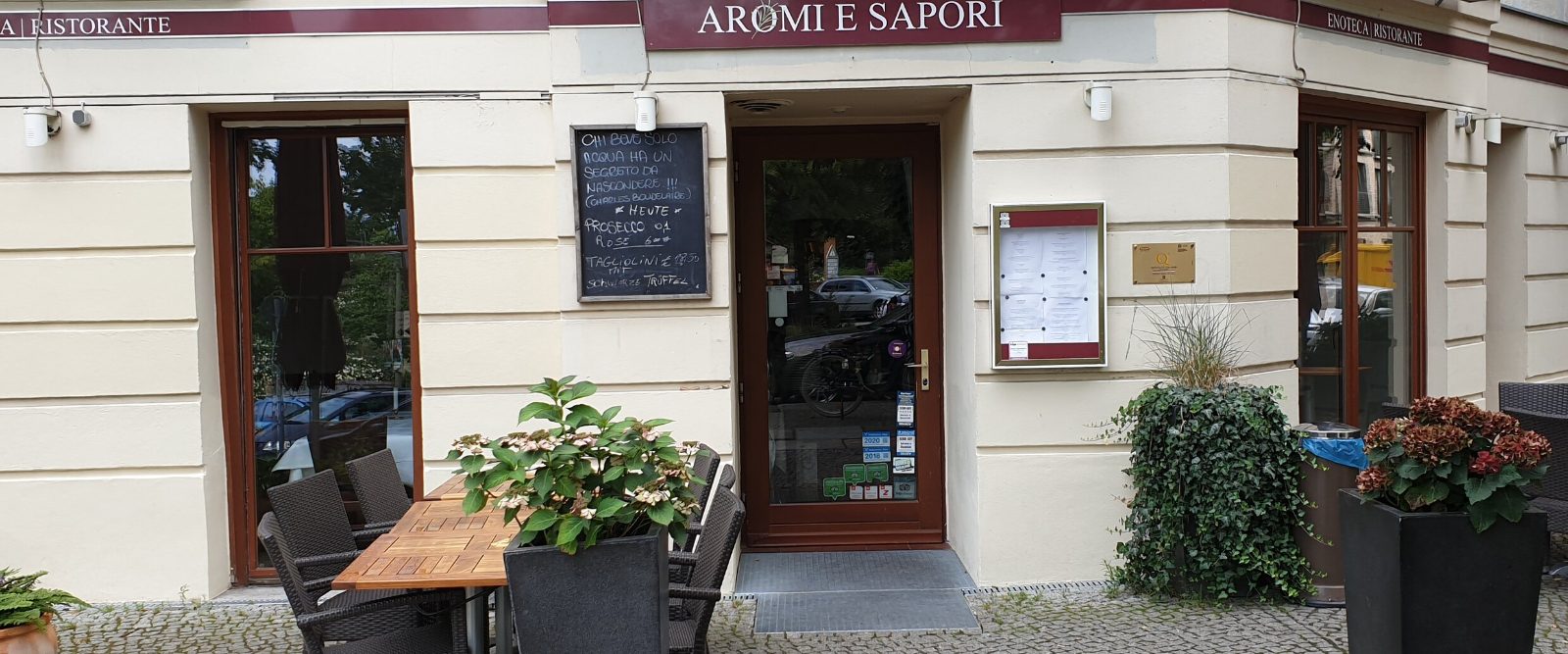
Aromi e Sapori

Aromi e Sapori

This artisanal shop specializes in regional ingredients including aged balsamic vinegar and local olive oils. It reflects the focus on high-quality, local sourcing found throughout Bologna.

Ask for a taste of traditional balsamic from nearby Modena.

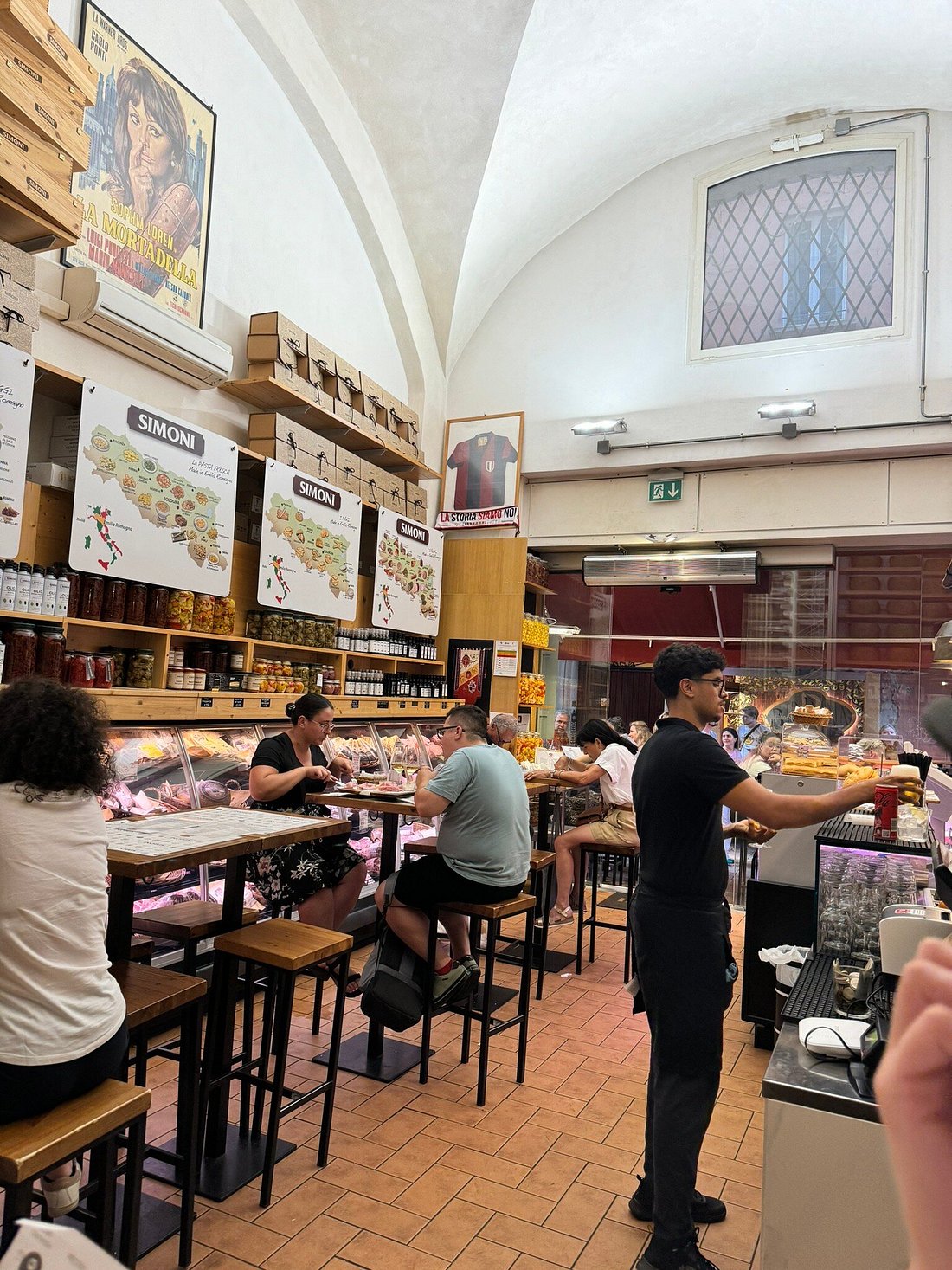
Salumeria Simoni

Salumeria Simoni

A long-standing institution in the Quadrilatero, this shop focuses on cured meats such as Mortadella Bologna IGP. It serves as a primary source for local residents purchasing authentic products.

Observe the manual slicing technique for the freshest texture.

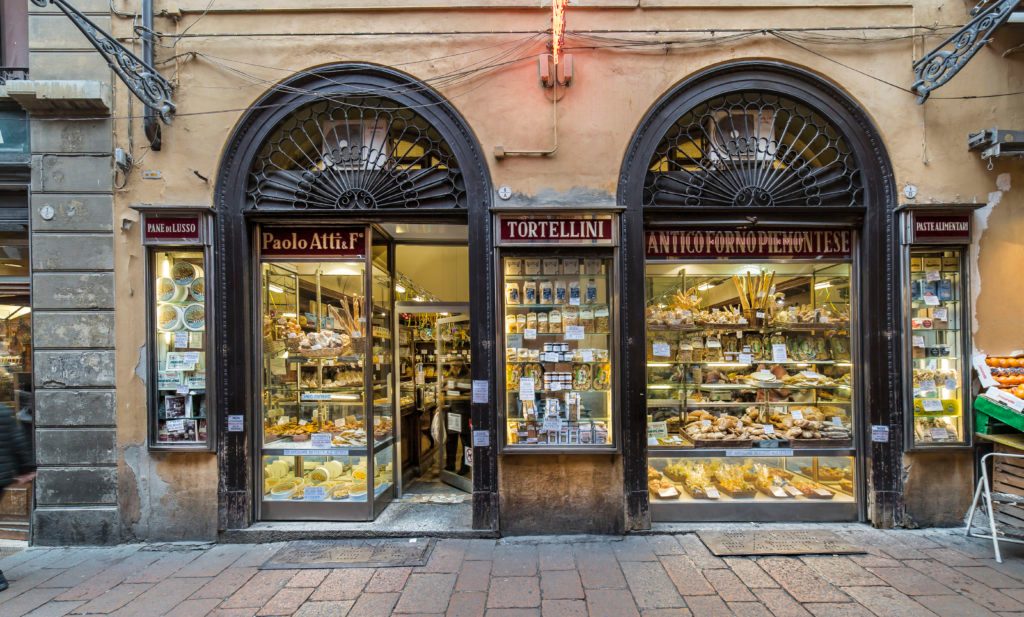
Panificio Paolo Atti & Figli

Panificio Paolo Atti & Figli

Established in the 19th century, this bakery is renowned for its fresh egg pasta and traditional Bolognese sweets like tortellini and certosino. The shop maintains its historic wooden cabinetry and counters.

Check the window for seasonal pasta shapes being hand-folded.

Insider tips

Insider Tips for a Bologna Food Tour From a Local Perspective

Navigating the Quadrilatero requires understanding local customs to distinguish authentic artisanal quality from mass-produced goods.

1

Engage the vendors

Ask shopkeepers about the origin of their Parmigiano Reggiano or Aceto Balsamico, as those proud of their craft will often offer a taste. Establishing a rapport often leads to recommendations for specific aged varieties not displayed in the front case.

2

Check for certifications

Look for the D.O.P. or I.G.P. seals on packaging to ensure products meet strict regional standards for authenticity. These labels confirm the item was produced using traditional methods within the designated geographical area.

3

Observe the locals

Follow the habit of locals who gravitate toward shops where the butcher or cheesemonger is actively cutting product behind the counter. A busy queue of residents is a reliable indicator of fresh turnover and consistent quality.

4

Respect the queue

Wait your turn patiently and observe the ticketing system if one is present, as pushing ahead is considered impolite. When ordering, specify your desired weight in grams or ask for a small tasting portion to sample different grades.

5

Handle food correctly

Allow vendors to handle unpackaged goods, as they use specialized tools and gloves to maintain hygiene standards. If you are purchasing items to carry, ask for vacuum-sealed options which are better suited for travel and preservation.

Book

Check availability

Frequently asked

Frequently asked questions about bologna food tour from a local perspective

Everything you need to know about bologna food tour from a local perspective

What should I expect from a bologna food tour from a local perspective?

A bologna food tour from a local perspective allows you to explore the hidden artisanal workshops and historic delis of the Quadrilatero. You will learn about regional staples like Parmigiano Reggiano, balsamic vinegar, and fresh pasta from producers who have maintained family traditions for generations. This immersive style of exploration provides deep insight into the culinary heritage that defines this city.

Is a guided Bologna culinary walk worth it?

Choosing a Bologna food tour from a local perspective helps you navigate the complex history of local ingredients that you might otherwise miss. Guided walks offer context on the production methods behind mortadella and tortellini, connecting you directly with the people who craft these specialties. It is an ideal way to appreciate the city as a resident rather than a casual visitor.

When is the best time to visit the Quadrilatero for a food tour?

The best arrival window for experiencing the district as the vendors restock is 09:00–11:00. Arriving during this period helps you avoid the larger mid-day crowds and provides a quieter atmosphere to appreciate the fresh produce on display. Please note that the district remains accessible throughout the standard opening hours listed in the facts card.

Are there entrance fees for visiting the market district?

There is 0 EUR entrance fee for the public streets of the Quadrilatero market district. While you do not pay for access to the area, individual food samples or items purchased from shops are separate expenses. Budgeting for your tour depends entirely on how many artisanal products you wish to taste or purchase.

Can I bring children on a Bologna gastronomic tour?

Families often find a Bologna culinary experience engaging, as the market streets are filled with sensory displays of colors and smells. While the public areas are pedestrian-friendly, consider the pace of your group and the specific nature of your itinerary. A bologna food tour from a local perspective can be tailored to be an educational and enjoyable outing for visitors of all ages.

Do I need to book my local food tour in advance?

While you can walk through the market district independently, booking a organized culinary excursion ensures you have a structured path through the city's landmarks. Planning ahead is recommended to ensure your schedule aligns with the specific availability of your preferred guides. Check the booking widget on this site to see options that match your travel dates.

Keep reading

More guides & pages